THE MOST ANALOG DIGITAL…
If you saw the thumbnail and thought I'd lost it…hear me out. I recently adapted the Zeiss Milvus 50mm f/1.4 to my Canon R5, turned off autofocus entirely, and I think I've found the closest thing to a fully analog shooting experience without ever touching a roll of film. Here's how I got here, and why I'm not going back.
It Started With the Leica // When you shoot a Leica, there's no autofocus to fall back on. Period. And what I found pretty quickly is that once you have a solid system for confirming focus, it's nothing scary. It actually puts you more in the moment. Less time spent thinking about gear, more time going on feel. With practice, it becomes second nature. You can nail focus in a split second, and it starts to feel like an extension of how you see. That experience rewired how I think about shooting. I didn't want to give it up just because I was on a Canon.
Why I Traded the Mamiya // I was shooting a Mamiya 645AF for a while — beautiful images, real film, the whole thing. But the process started to drain me. The cost of film, storage, scanning, and waiting added friction between me and the work. I wasn't shooting more intentionally. I was just shooting less. So I made a call. I sold the Mamiya and used that money to pick up the Milvus. My goal was to get that analog feel without the overhead that was killing my motivation.
Mamiya 645AF images are beautiful, dont get me wrong. I just had to streamline the process.



The Lens // The Zeiss Milvus 50mm f/1.4 is a ZE mount lens — Canon EF mount — which means it adapts straight to the R5 via Canon's EF-RF adapter. No third-party adapter, no hacks. Just a clean connection. The build quality is exactly what you'd expect from Zeiss. All metal, weather sealed, and substantial in the hand. It feels like a professional tool. The aperture ring is controlled by the ef - rf mount — you're setting your aperture on the lens, the way it was meant to be done. And the focus throw is long and smooth, which matters for portrait work where you want to make precise adjustments without overshooting.
How Manual Focus Actually Works on the R5 // This is where Canon RF bodies do something most people don't know about. When you're in manual focus mode, the R5 can be switched to magnified view the moment you touch the magnification button. This way you can dial in your focus precisely, and then instantly snaps back to full frame when you press the shutter. You never leave your composition. It's the same principle as the Leica rangefinder patch, just done digitally. On top of that, you've got focus peaking — an overlay that highlights the edges of whatever's in focus in a color of your choice. Between the peaking and the auto punch-in, nailing focus is genuinely fast. Faster than most people expect.
The Camera Philosophy Going Forward // I run two different rigs. The Canon R5 with L-series Canon glass for my weddings, commercial work, and anything that requires reliability and speed. The Milvus lens goes on when I’m shooting for personal work…Just like my Leica M240 with a Zeiss 35mm…It’s the stuff I make for myself. It lets me bring the intentionality of Leica shooting into the Canon system without slowing down the process.
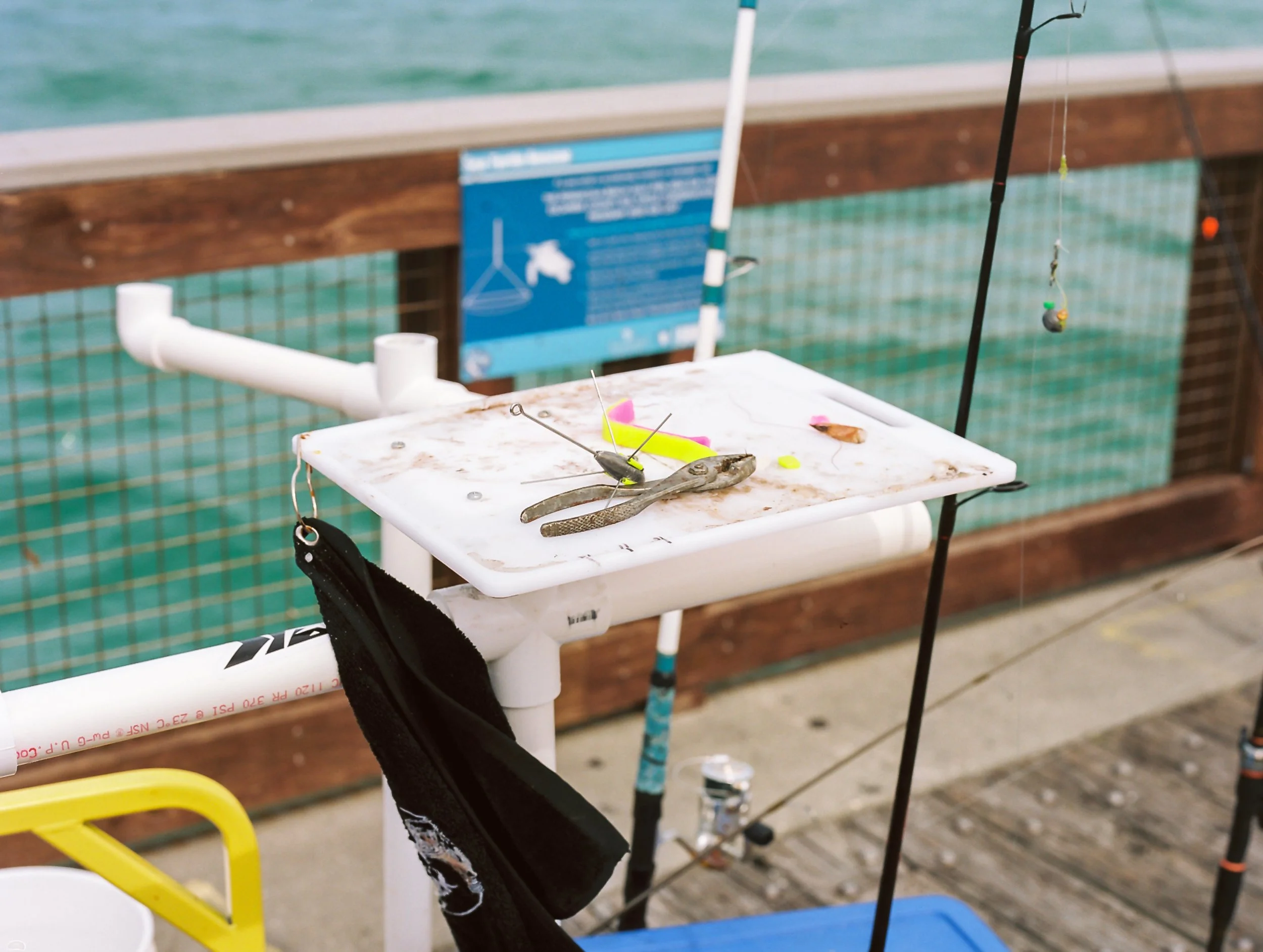
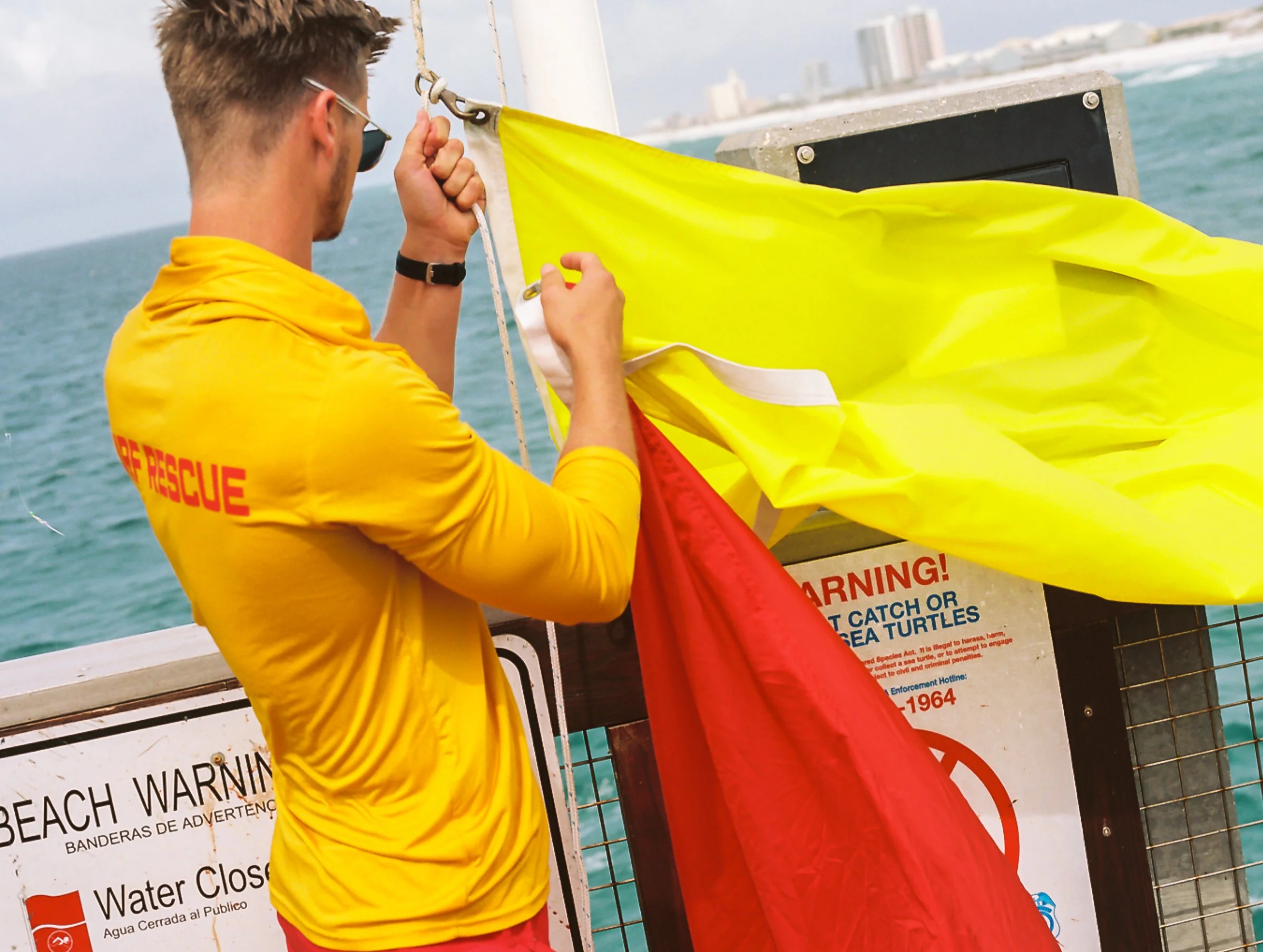
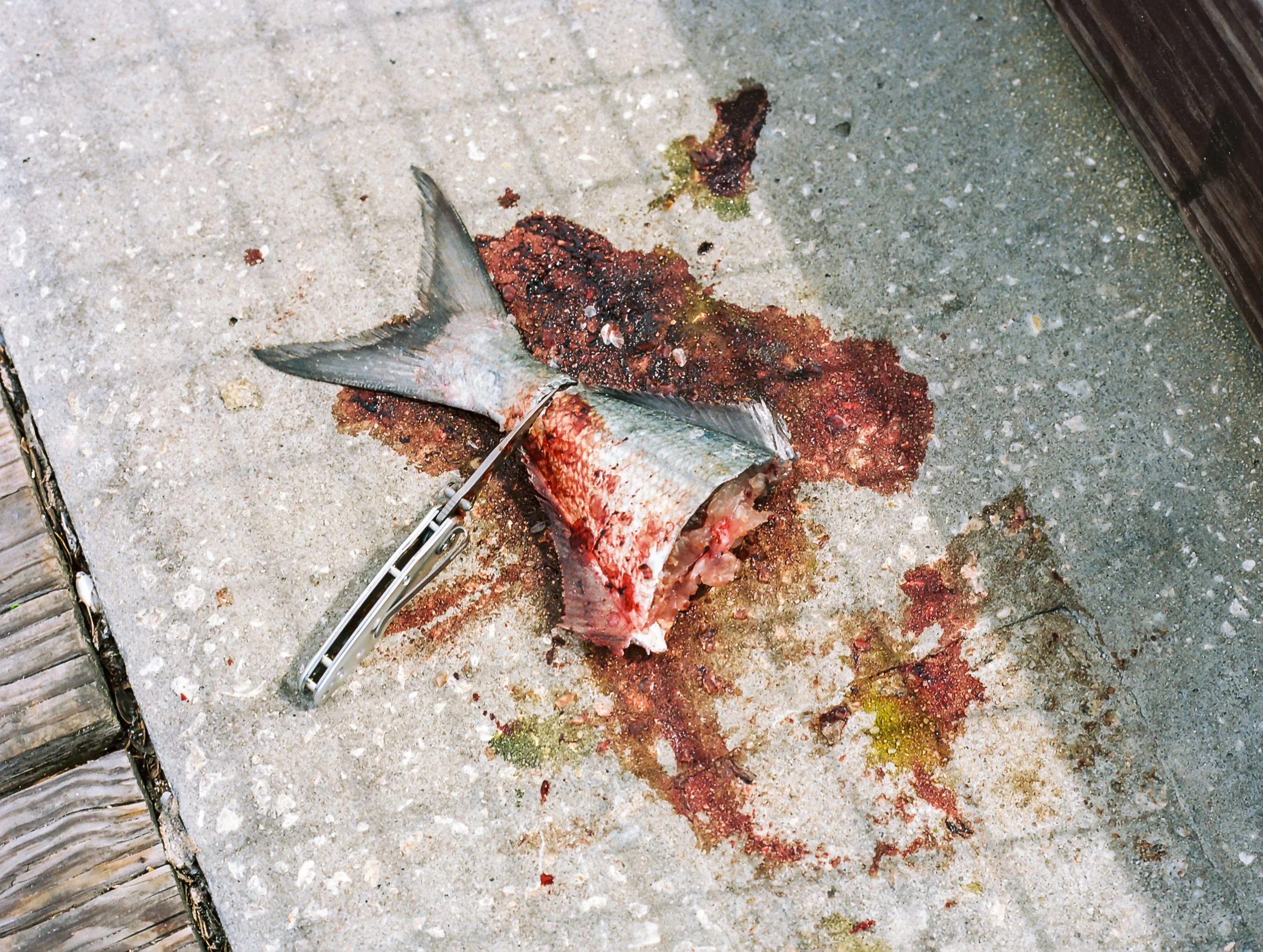
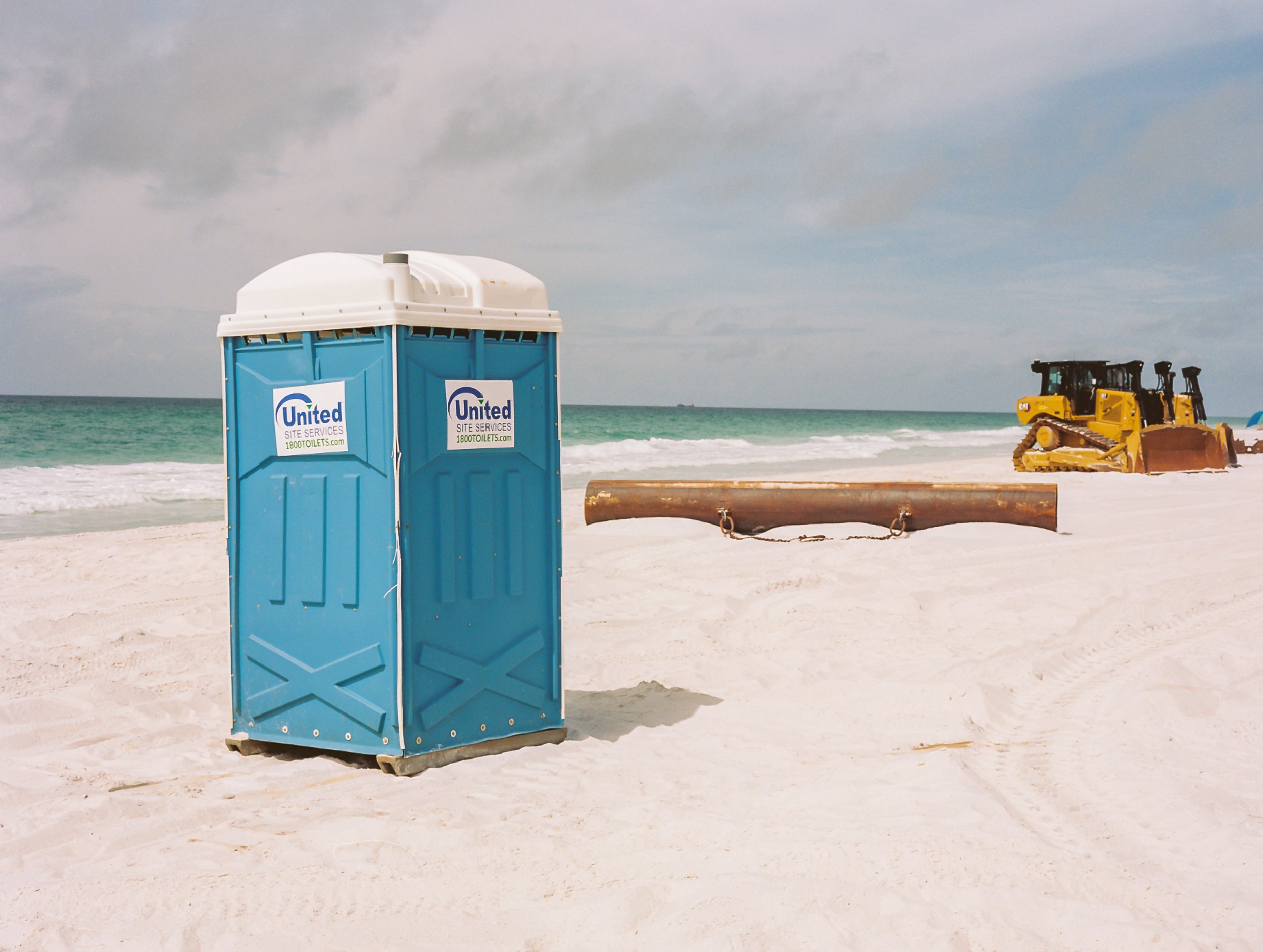
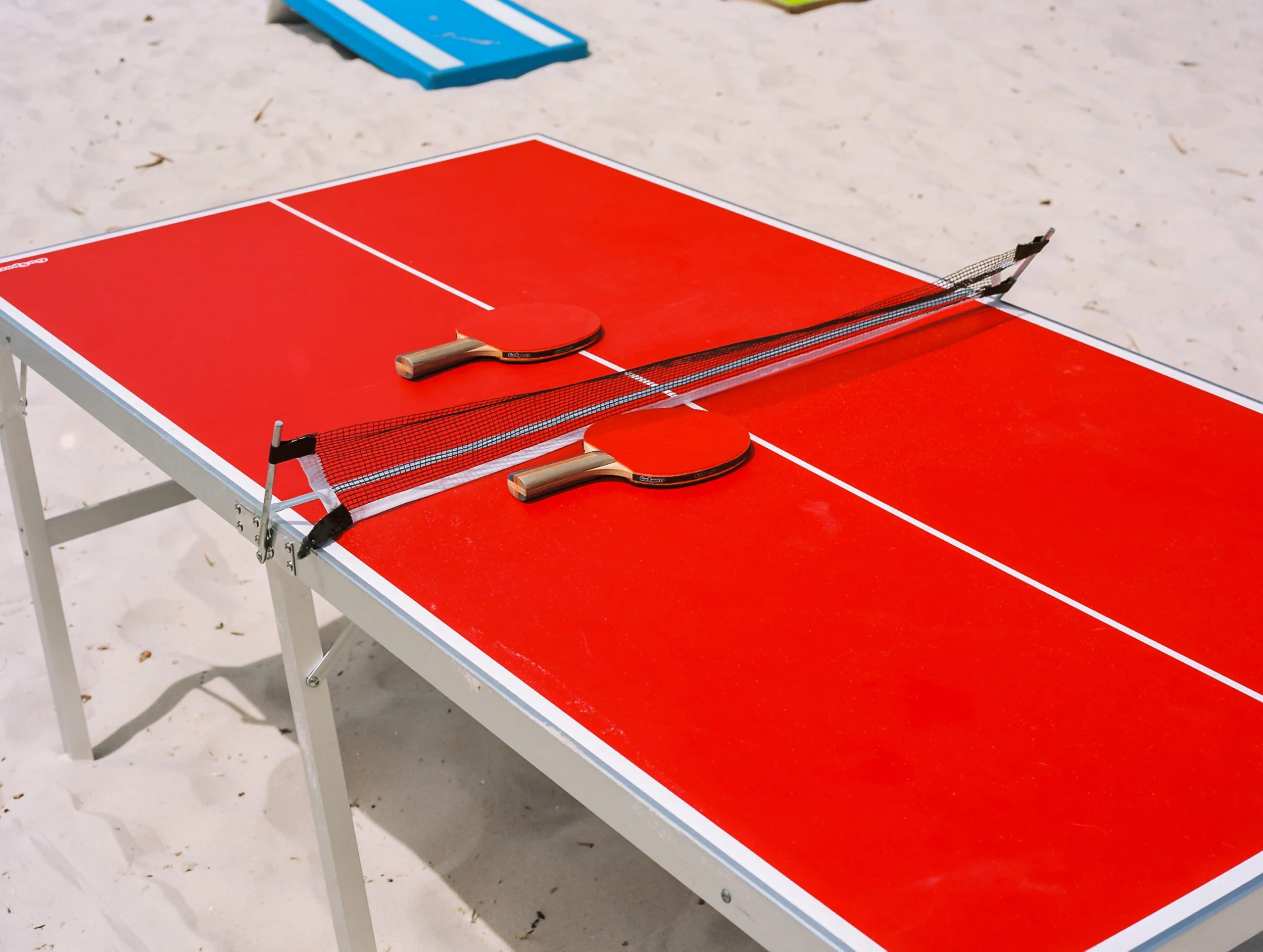
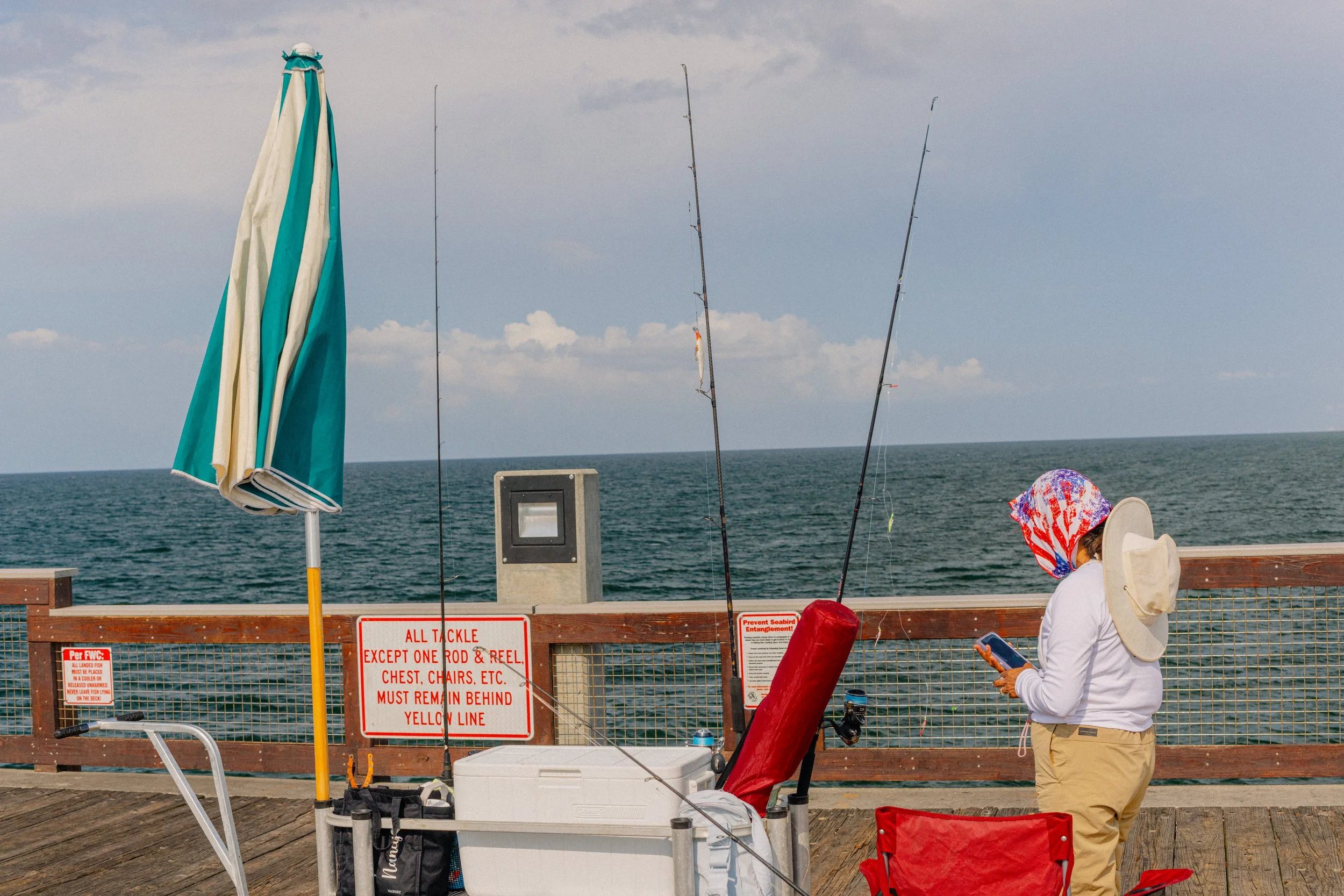
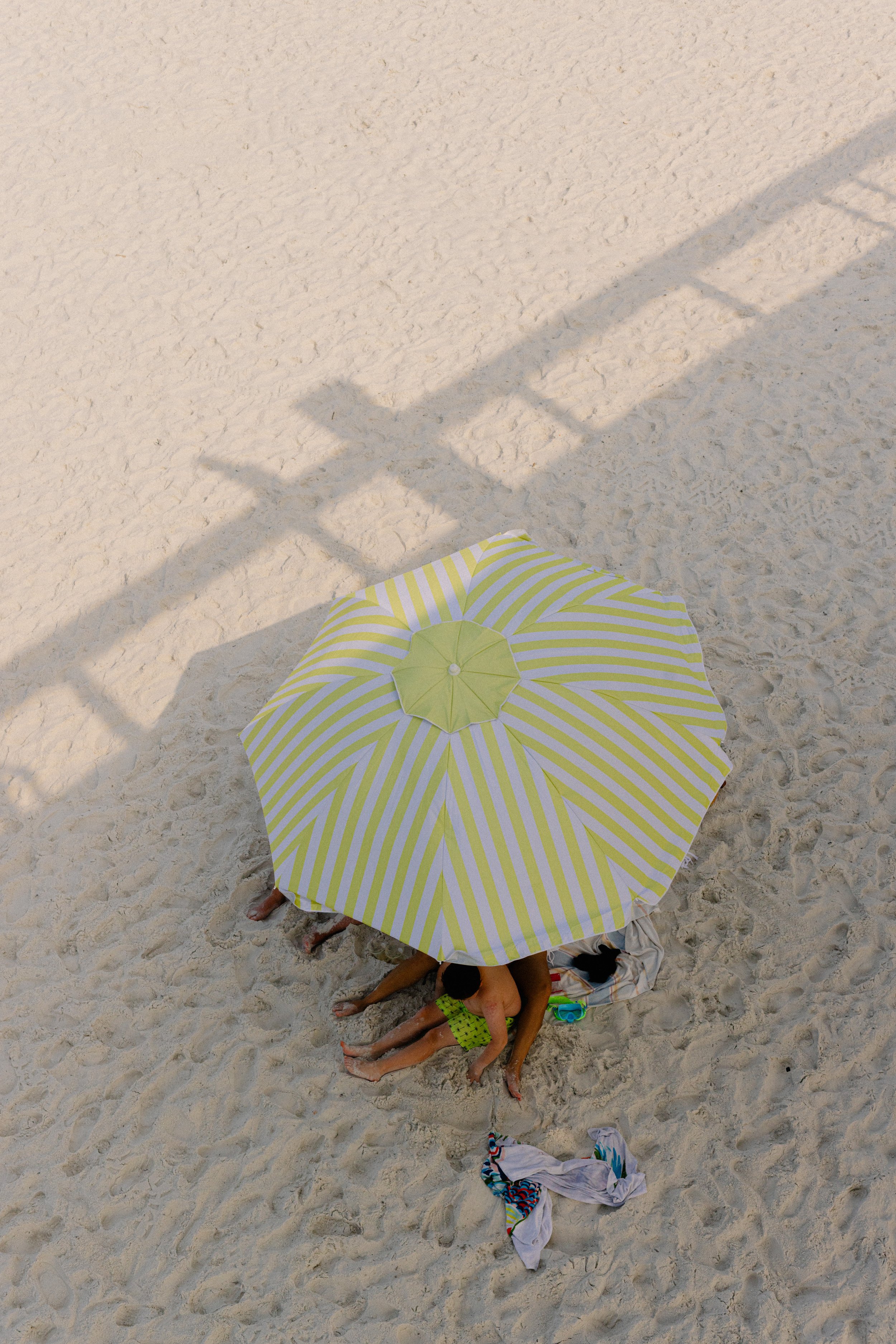
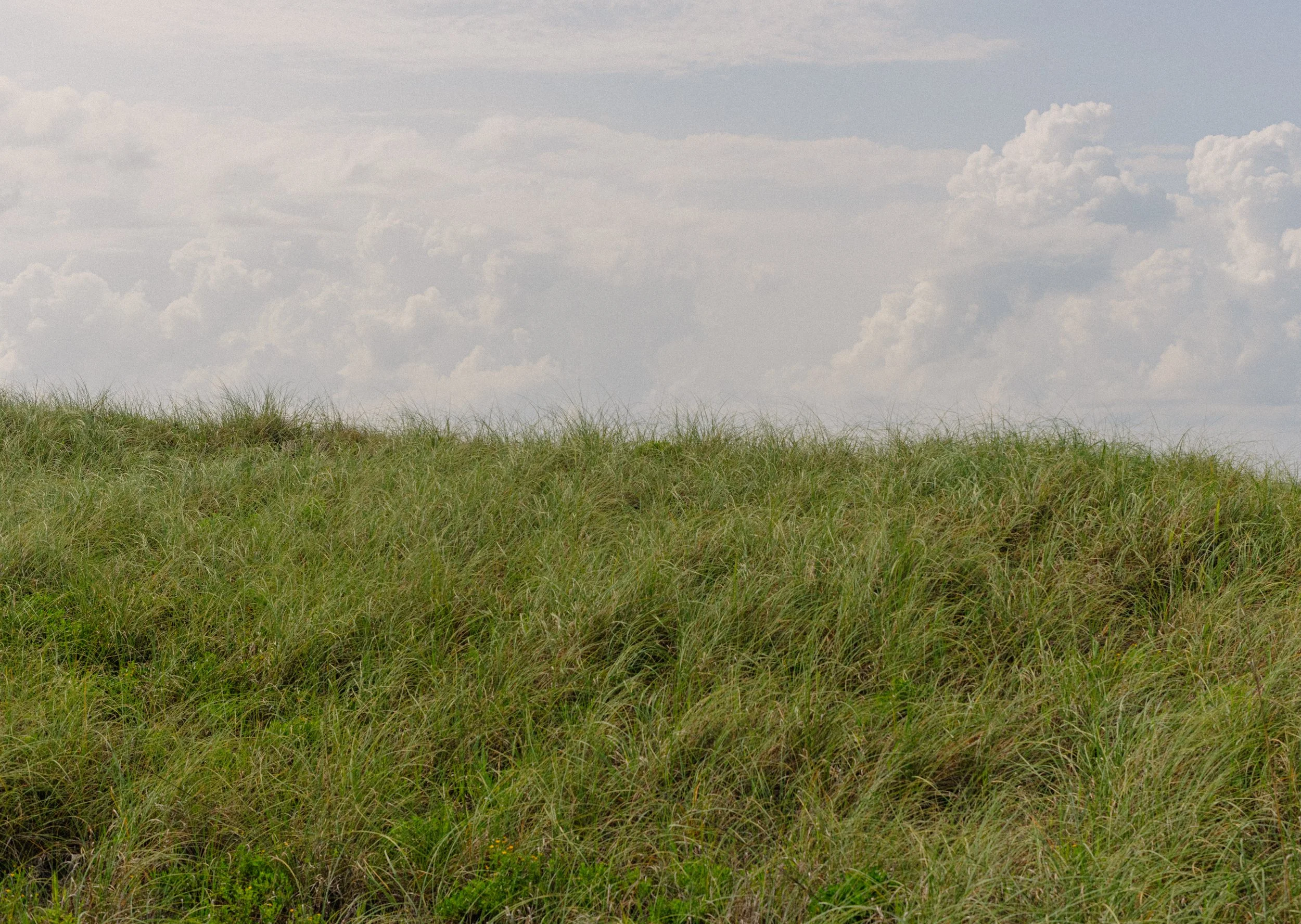
The Images // I took this setup to the beach for a full session — full manual, no assistance. Then I pulled the Mamiya images alongside them and matched the edit in Lightroom. The results speak for themselves. With some time in Lightroom, the images from the R5 with the Milvus sit right next to what I'm getting from the Mamiya. That's not a happy accident. That's the point.
With some extra time spent editing…the Canon/Zeiss images are just as punchy, sharp, and beautiful.

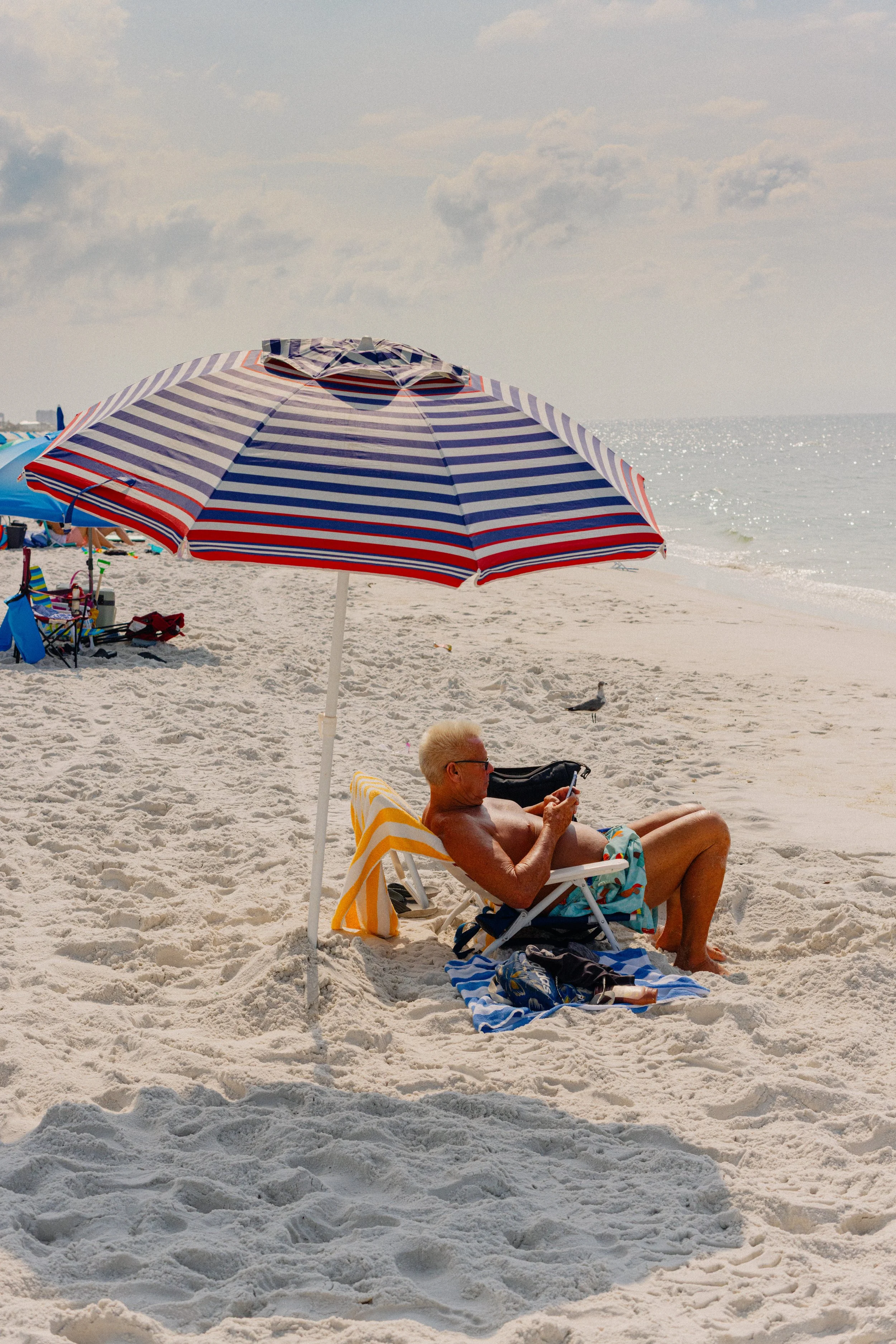
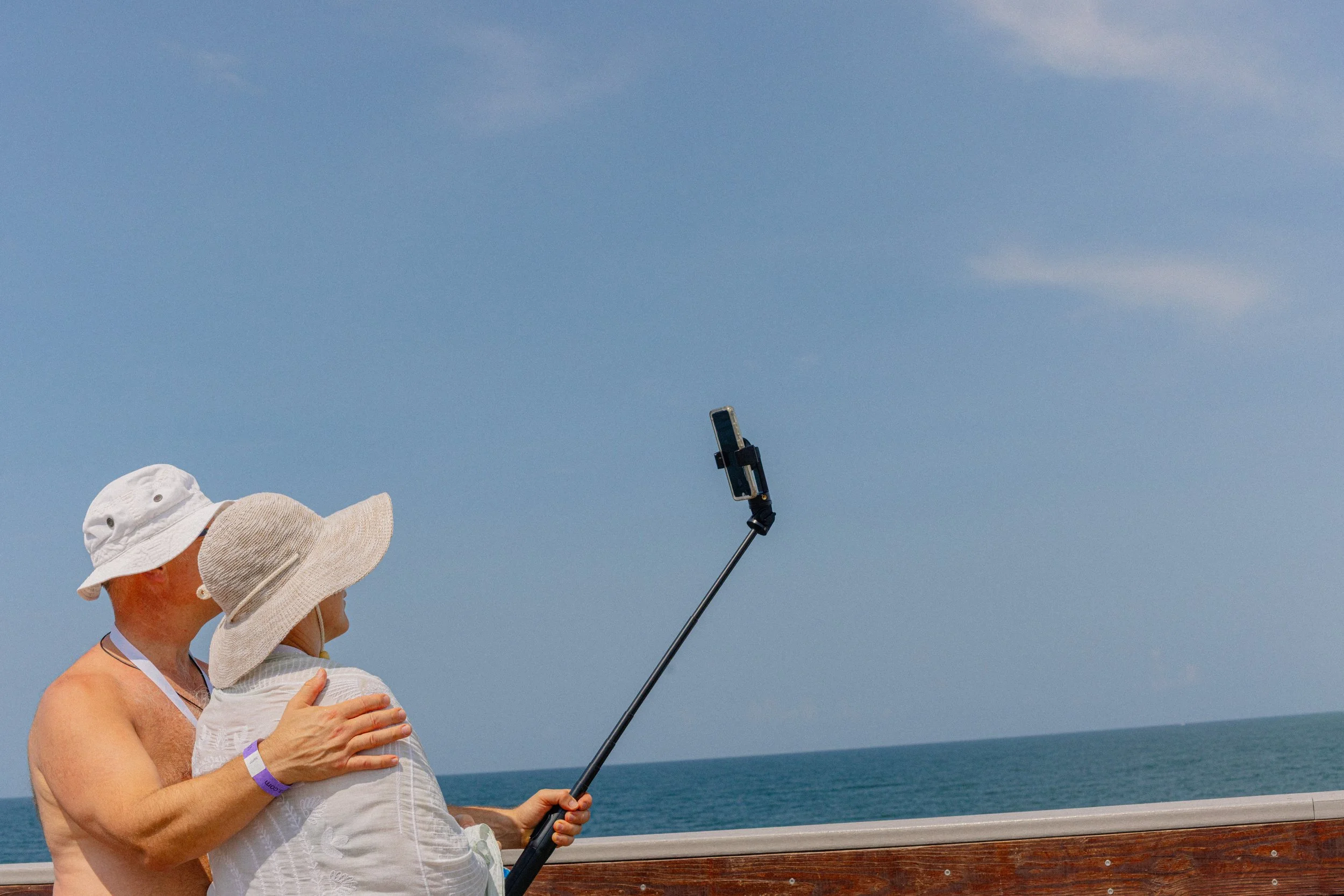


The Honest Take // Are there autofocus lenses that are sharper? Yes. Lighter? Absolutely. More options? Plenty.
But that's not what I was after. I wanted an analog feel, an analog touch, and an analog process that keeps me locked into what I'm doing…not a camera doing the thinking for me.
And honestly, it changes the feel of the photos. I feel it when I'm shooting. I think you can see it in the images.
If you're a Canon shooter who's been curious about manual focus — or if you're coming from Leica or film and wondering if you can get that same experience on the RF system — this setup is worth a serious look.